How Cardano governance works
Cardano is governed by its community. Three groups vote on proposals that shape the network. Together, they decide on everything from protocol upgrades to treasury funding.
New to the topic? Who created Cardano and who runs it now gives the background in plain language, and the glossary explains what a DRep, a governance action and the constitution are.
To see it step by step, How Cardano decides walks through who votes, how every vote is counted, and where your ada fits in.
See what the community expects of themSee how every vote is counted
- 01UnderstandLearn how governance works
- 02DelegateGive voting power to a DRep
- 03LeadRun for a governance role
Learn how governance works
New to Cardano governance? Read the constitution, explore governance action charts, or browse the governance tools to understand how proposals move from submission to enactment.
Delegate your voting power
You already have voting power. Delegation lends your vote to a Delegated Representative (DRep) who votes on your behalf. Your ada never leaves your wallet, only a small transaction fee applies, and you can change your DRep at any time.
Become a DRep
Represent your community and shape Cardano policy. DReps actively engage in governance, stay informed on proposals, and vote on behalf of those who delegate to them. A refundable deposit of 500 ada is required and will be returned upon retirement.
What each option involves
Here is what each choice asks of you and what it gives you in return.
Don't delegate
- Time
- Nothing to set up.
- Cost
- Nothing.
- What you get
- No decisions to make.
- Keep in mind
- Governance decisions are made without your stake.
- Who can see it
- Nothing new is recorded on the chain.
Delegate
To a DRep, Abstain or No Confidence
- Time
- A few minutes to set up. If you pick a DRep, look at their votes now and then.
- Cost
- A transaction fee, typically less than 0.2 ada. No deposit.
- What you get
- Your stake takes part in governance through the option you choose, and you can switch at any time.
- Keep in mind
- A DRep may vote differently than you would, or stop voting. Abstain and No Confidence apply a fixed rule to every vote.
- Who can see it
- Your choice is recorded on the chain and linked to your stake address.
Become a DRep
- Time
- Regular time to read proposals, vote and explain your votes.
- Cost
- A deposit of 500 ada, returned when you retire, plus transaction fees.
- What you get
- A direct vote on treasury withdrawals, protocol changes and the constitution, weighted by the stake delegated to you.
- Keep in mind
- The protocol does not pay DReps. Delegators expect you to explain your votes.
- Who can see it
- Every vote is recorded on the chain under your DRep ID, with a link to any rationale you publish.
Answers to common questions about delegation and governance.
Everything you need to know to participate with confidence.
No. Delegation is completely non-custodial. Your ada never leaves your wallet. You are only lending your voting power to a DRep, not transferring any funds.
Delegating your voting power to a DRep is free beyond the standard transaction fee (typically less than 0.2 ada). There is no deposit required for delegation.
Yes, you can change your DRep at any time. Simply delegate to a different DRep and the change takes effect in the next epoch.
Yes, and most ada holders do exactly that. DRep delegation and stake pool delegation are two independent actions that delegate two different things from the same ada.
Stake pool delegation points your stake at a pool operator who produces blocks, and in return you earn a share of block rewards. DRep delegation assigns the voting power of that same stake to someone who votes on governance proposals. Your ada is never locked, spent, or moved in either case. Both are just on-chain signals attached to your stake address.
Because they run on different rails (block production vs. governance), the two delegations don't compete. You can change either one independently, and you keep earning rewards the whole time.
If you don't delegate your voting power, your ada does not count toward any governance vote. Your voice goes unused. Delegating ensures your stake contributes to the decisions that shape Cardano.
Since the Plomin hard fork, staking rewards can only be withdrawn once your stake key also has an active vote delegation, to a DRep, Abstain or No Confidence. Your rewards keep adding up in the meantime. A proposed change, CIP-181, would remove this requirement with a future hard fork.
A DRep who goes 20 epochs, at least 100 days, without voting or updating their registration is marked inactive. Epochs without open proposals do not count toward that limit. While your DRep is inactive, your stake no longer counts in governance votes.
Your ada and your staking rewards are not affected. The DRep becomes active again as soon as they vote or update their registration, and you can switch to another DRep at any time.
Yes. Every delegation is recorded on the blockchain, so anyone can look up which DRep or voting option a stake address has chosen. The address itself does not contain your name. It is pseudonymous, so anyone who can link it to you, for example because you posted it publicly, can also see your choice.
DRep votes are public too. Many DReps publish a rationale with each vote so their delegators can follow their reasoning.
Delegation becomes active at the start of the next epoch. Epochs on Cardano last 5 days, so it can take up to 5 days for your delegation to take effect.
Registering as a DRep requires a refundable deposit of 500 ada. This deposit is returned when you retire as a DRep. There is also a standard transaction fee for the registration.
The protocol does not pay DReps for voting. Apart from transaction fees, the only ada involved is the 500 ada deposit, which you get back when you retire as a DRep.
Instead of delegating to a specific DRep, you can choose one of two automatic voting options:
- Abstain keeps your stake out of every vote, it is not counted for or against any proposal
- No Confidence counts as a No on every governance action, except a motion of no confidence in the Constitutional Committee, where it counts as a Yes
A governance action is an on-chain proposal that can change how Cardano works. There are several types, including protocol parameter changes, hard fork initiations, treasury withdrawals, and constitutional amendments. Each type requires different approval thresholds from DReps, SPOs, and the Constitutional Committee.
The constitution changes only through an on-chain governance action that DReps ratify with at least 75% of their stake and the Constitutional Committee approves.
Before that, you can raise your idea on Intersect's Constitutional Amendment Portal, currently in alpha. Submit a Constitutional Amendment Proposal to propose new wording, or a Constitutional Issue Statement to describe a problem without a fix. Both are discussed in public before any governance action is submitted.
Not sure where to start?
Take a short guided path to understand your options and find the governance role that fits you best.
A Model To Marginalize None, And Give Power To All.
Cardano governance has moved from vision to reality. With a ratified constitution, active DReps, and a funded treasury, the community now directs the network's future. This is decentralization not as a promise, but as practice.
What governance has achieved
Cardano governance is not theoretical. Real decisions are being made by the community every epoch.
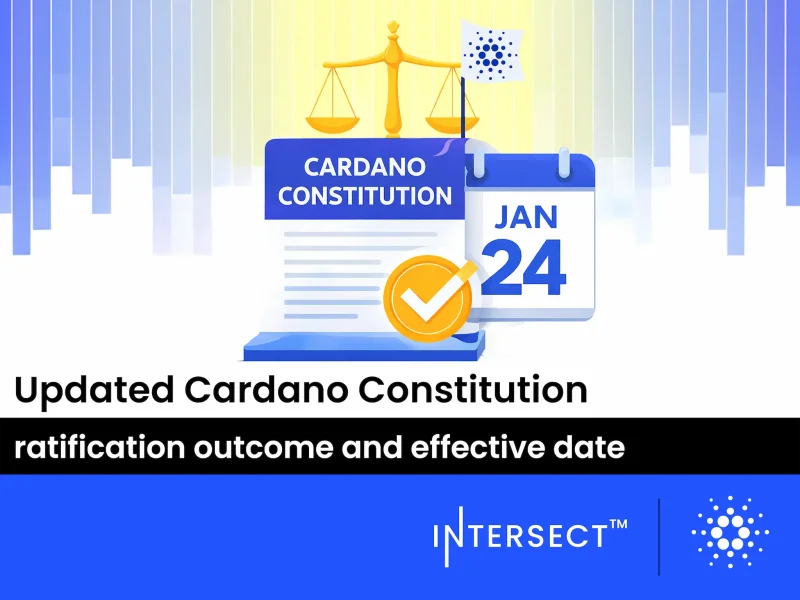
Constitutional Amendment Portal opened
Intersect opened the Constitutional Amendment Portal for alpha testing, giving the community a structured place to propose, discuss and refine changes to the Cardano Constitution.
Constitution
Second Constitutional Committee election
DReps and SPOs ratified the 2026 committee update in epoch 653, filling four seats of the Constitutional Committee. The new members take office in epoch 654.
Committee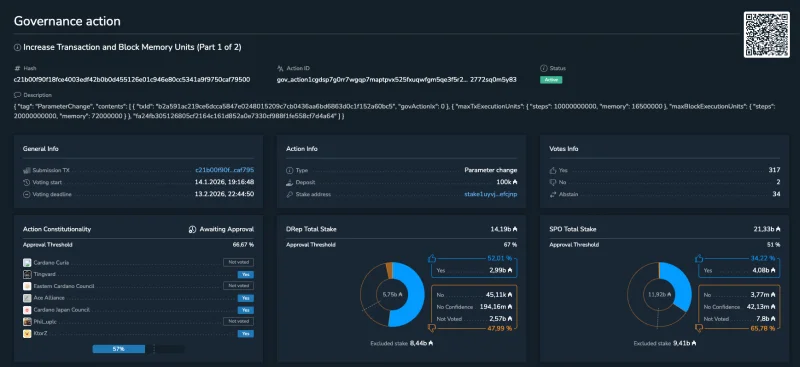
SPOs and DReps voted on Plutus limits
The community voted on raising Plutus execution limits to expand smart contract capacity, letting DApps run more logic per transaction.
ProtocolConstitution updated with 79% support
The Cardano community ratified an updated constitution through on-chain governance, introducing stricter standards for transparency and standalone accountability.
Constitution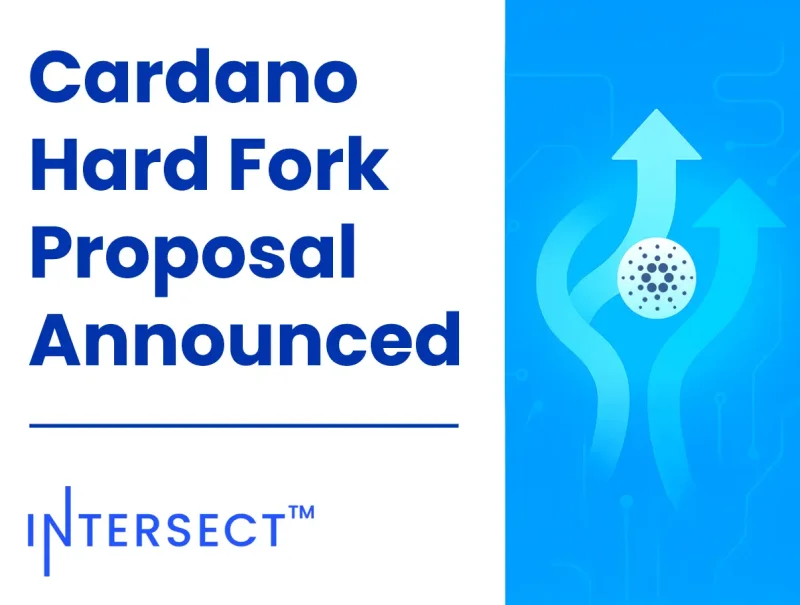
Hard fork to Protocol v11 enacted
The van Rossem hard fork moved Cardano to Protocol Version 11 on 18 July 2026 after DReps, SPOs and the Constitutional Committee approved the hard fork initiation action on-chain.
ProtocolConstitutional Committee elected
The first Constitutional Committee was elected by the community through an on-chain governance action.
Committee
Treasury withdrawals enacted
The community voted to fund projects directly from the Cardano treasury, directing resources toward ecosystem growth.
TreasuryHow to delegate
Get a compatible wallet
Most popular Cardano wallets support governance delegation. If you already have a wallet with ada, you are ready to go.


Governance Terms you should know
Governance tools
Tools to help you participate in Cardano governance.

DRepTalk
Delegate, register as a DRep, and discuss governance

CGOV
Governance dashboard for proposals and voting

Cardano Governance Tool
Delegate, register as DRep, and vote on proposals
Cardano GovScope
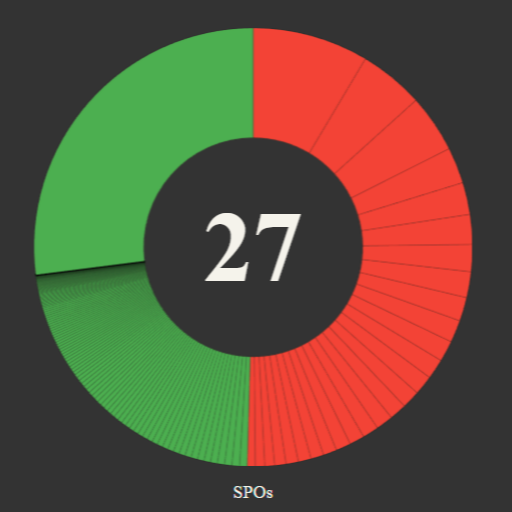
Vote distribution and DRep insights dashboard

Clarity Protocol
Community governance toolkit for Cardano projects

Governance Space
Indexer and analytics for Cardano governance

Governance Voting Tool
Simple on-chain governance voting tool

Sundae Treasury Dashboard
Milestone-based treasury disbursement platform

Supply Summary
Historical Ada supply and treasury distribution

Tempo
Governance tool for DReps to register and engage
Treasury Donation
Donate ada to the Cardano treasury